
These days, respecting the environment is a necessity. The flooring we choose can have a big impact on our eco-footprint. Not only is homogeneous vinyl flooring durable and visually appealing, but it is also beneficial to the environment. This makes it a popular choice for both business and private places. This blog discusses the environmentally friendly benefits of uniform vinyl flooring and why it’s becoming more popular among people who care about the environment.
Important Features of Uniform Homogeneous Vinyl Flooring
Made from one layer of vinyl a combination, homogeneous vinyl flooring is very thick and durable. This building technique guarantees a long lifetime, therefore lowering the need for regular replacements and, hence, trash production. These are some major environmental advantages this kind of flooring presents:
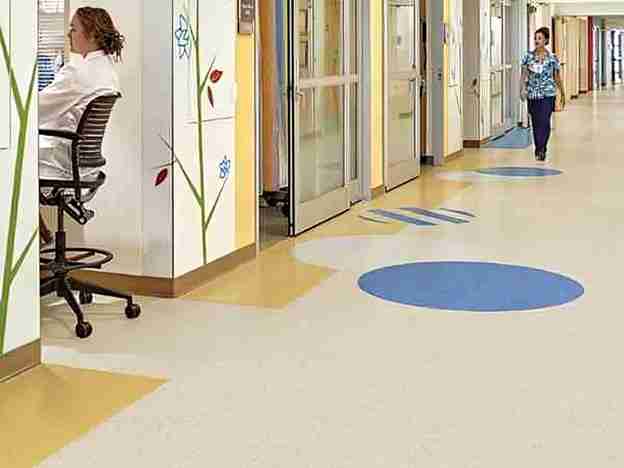
• Recyclability: Many homogenous vinyl flooring are 100% recyclable at their end of life. This capacity for recycling greatly helps to reduce landfill trash, therefore assisting the worldwide zero waste movement.
• Low VOC Emissions: Because of their effect on indoor air quality, volatile organic compounds (VOCs) cause much worry about building materials. Usually having lesser VOC emissions than other flooring choices, homogeneous vinyl flooring guarantees a better indoor environment.
• Energy Efficiency in Production: Homogeneous vinyl flooring is designed to be energy-efficient throughout manufacture. In addition to helping to preserve natural resources, lower energy usage during manufacturing helps the material’s total carbon footprint be less.
• Durability and Maintenance: The strong character of homogenous vinyl flooring makes maintenance and cleaning not require strong chemicals. Its sustainable profile is improved even more by the need for fewer frequent replacements resulting from its longevity.

Substantial Advantages for Building Owners
Homogeneous vinyl flooring has many benefits that go beyond being good for the environment. Its regular makeup gives it a smooth, even look that is great for places where a lot of people walk. The material doesn’t stain easily and is easy to clean, so it’s a great choice for places like hospitals, schools, and stores that need to be clean and require little maintenance.
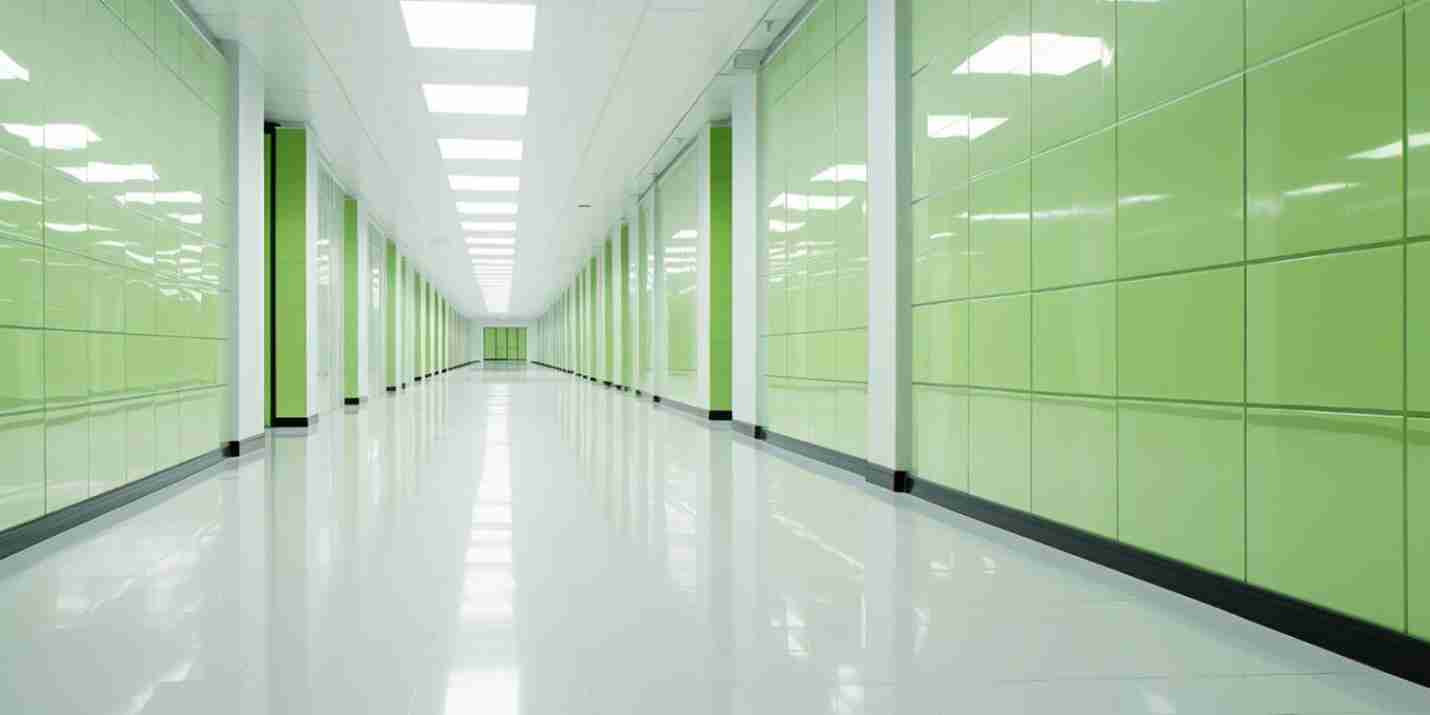
There are also many styles and colors to choose from, so you can make it your own without breaking any environmental rules. Because it’s flexible, it can be used for a wide range of design and aesthetic tastes, balancing function and style in construction projects.
Maintaining a Focus on Sustainability
Sustainability objectives are much influenced by the materials used in interior design and building. Choosing homogenous vinyl flooring helps builders and owners of buildings greatly contribute to environmental preservation. This material not only satisfies great practical and aesthetic criteria but also fits the worldwide need for sustainable development.
The Outlook for the Future
As the flooring business keeps coming up with new ideas, a big focus is on making eco-friendly goods like uniform vinyl even better. As recycling technologies get better and production methods get even more efficient, this flooring choice is likely to become even more environmentally friendly. As people become more aware of the environment, the demand for eco-friendly goods will drive further changes. This will make homogenous vinyl flooring an even better choice for people who care about the environment.
Conclusion
The first option for sustainable construction techniques is homogeneous vinyl flooring. At Shanghai Karmfloor New Material, the eco-friendliness promise is the priority, so every product guarantees a better future. For forward-looking customers and companies committed to environmental preservation, this flooring choice perfectly strikes a mix between aesthetic appeal and environmental conscience. Its advantages highlight the need to select products that help our planet in line with world sustainability objectives.


